


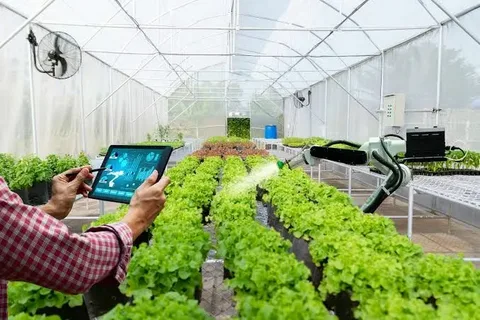
In recent years, the agricultural industry has been undergoing a profound transformation, thanks to the advent of precision agriculture. This innovative approach to farming uses advanced technology to optimize the use of resources, increase yields, and reduce waste. By leveraging data, sensors, and analytics, farmers can now make more informed decisions that significantly enhance productivity and environmental sustainability. In this article, we will explore how precision agriculture is reducing waste and maximizing efficiency on farms worldwide.
What is Precision Agriculture?
Precision agriculture, also known as smart farming or digital farming, refers to the use of technology and data-driven tools to monitor and manage agricultural practices more efficiently. Unlike traditional farming, which often uses generalized methods for crop management, precision agriculture tailors approaches based on real-time data about soil conditions, weather patterns, crop health, and other variables. This highly targeted strategy ensures that farmers can apply resources like water, fertilizers, and pesticides only where they are needed, thus minimizing waste and maximizing crop yields.
How Precision Agriculture Reduces Waste
One of the primary benefits of precision agriculture is its ability to significantly reduce waste, especially in the areas of water, fertilizers, and pesticides. Traditionally, farmers often applied these resources uniformly across entire fields, without taking into account the varying needs of different areas within the same field. As a result, a lot of these inputs went to waste, either by overapplying them in areas where they were not needed or by using more than necessary.
With precision agriculture, advanced tools such as soil sensors, GPS-guided equipment, and drones help farmers monitor crop growth and soil health in real-time. These tools collect vast amounts of data that can pinpoint exactly where water, nutrients, or pesticides are needed. By only applying inputs where they are most needed, farmers can drastically cut down on waste and lower costs.
Water Conservation
Water is one of the most precious resources in farming, and precision agriculture plays a key role in conserving it. By using sensors that measure soil moisture levels at different depths, farmers can determine exactly when and where irrigation is needed. This prevents overwatering, which can lead to water waste and soil degradation. Additionally, with the use of automated irrigation systems that are connected to weather forecasts, farmers can ensure that irrigation is optimized, saving both water and money.
Fertilizer and Pesticide Efficiency
Fertilizers and pesticides can be expensive and have negative environmental impacts if misused. Precision agriculture allows farmers to apply these inputs in a highly targeted manner. Variable-rate technology (VRT) is one of the key tools in this process, as it adjusts the amount of fertilizer or pesticide applied depending on the soil’s nutrient content or the crop’s specific needs. This reduces the overuse of chemicals, preventing pollution, and ensures that crops get the exact amount needed for optimal growth.
Maximizing Efficiency with Precision Agriculture
Precision agriculture does more than reduce waste – it also helps farmers maximize efficiency across all aspects of their operations. With real-time data, farmers can make more accurate and timely decisions, leading to improved resource management and higher crop yields.
Increased Crop Yields
By monitoring plant health using remote sensing technologies like drones and satellites, farmers can detect early signs of stress, pests, or disease. This allows them to intervene before problems escalate, minimizing crop loss and ensuring that crops reach their full potential. Additionally, precision agriculture helps farmers optimize planting density, ensuring that each plant has enough space and resources to thrive, further boosting yields.
Cost Reduction
Precision agriculture tools help farmers reduce operational costs by optimizing resource use. For example, by applying fertilizer and pesticides only when necessary, farmers can avoid overusing these expensive inputs. Similarly, automated machinery can perform tasks like planting, harvesting, and spraying more accurately and efficiently, reducing labor costs.
Time Savings
Time is another critical resource in farming, and precision agriculture saves farmers significant time by automating various tasks. For example, GPS-guided tractors can automatically follow specific paths across fields, reducing the need for manual labor. Furthermore, precision tools can provide real-time feedback on crop conditions, allowing farmers to focus their efforts where they are needed most.
Environmental Benefits of Precision Agriculture
In addition to reducing waste and maximizing efficiency, precision agriculture offers significant environmental benefits. By minimizing the overuse of water, fertilizers, and pesticides, precision agriculture helps reduce the environmental impact of farming. This approach not only conserves natural resources but also minimizes the risk of soil erosion, water pollution, and habitat destruction.
Moreover, precision agriculture contributes to sustainable farming practices that align with global goals for reducing greenhouse gas emissions and combating climate change. By optimizing input usage and improving yields, farmers can produce more food with fewer resources, contributing to global food security while reducing their carbon footprint.
Conclusion: The Future of Farming with Precision Agriculture
Precision agriculture is undoubtedly revolutionizing the way we farm, offering farmers a powerful set of tools to reduce waste, maximize efficiency, and improve both productivity and sustainability. By using data and technology to optimize resource use, precision agriculture is creating a more sustainable future for farming and contributing to the global effort to feed a growing population. As technology continues to evolve, we can expect precision agriculture to play an even more significant role in shaping the future of food production.
